SightSpace

Who we are

The information you need now, the freedom of your next step.

SightSpace builds software that uses the first-person view of AI glasses to confirm whether the entrance, sign or door in front of you matches your destination — helping blind and low-vision people get where they're going.

Us

The people who build it.

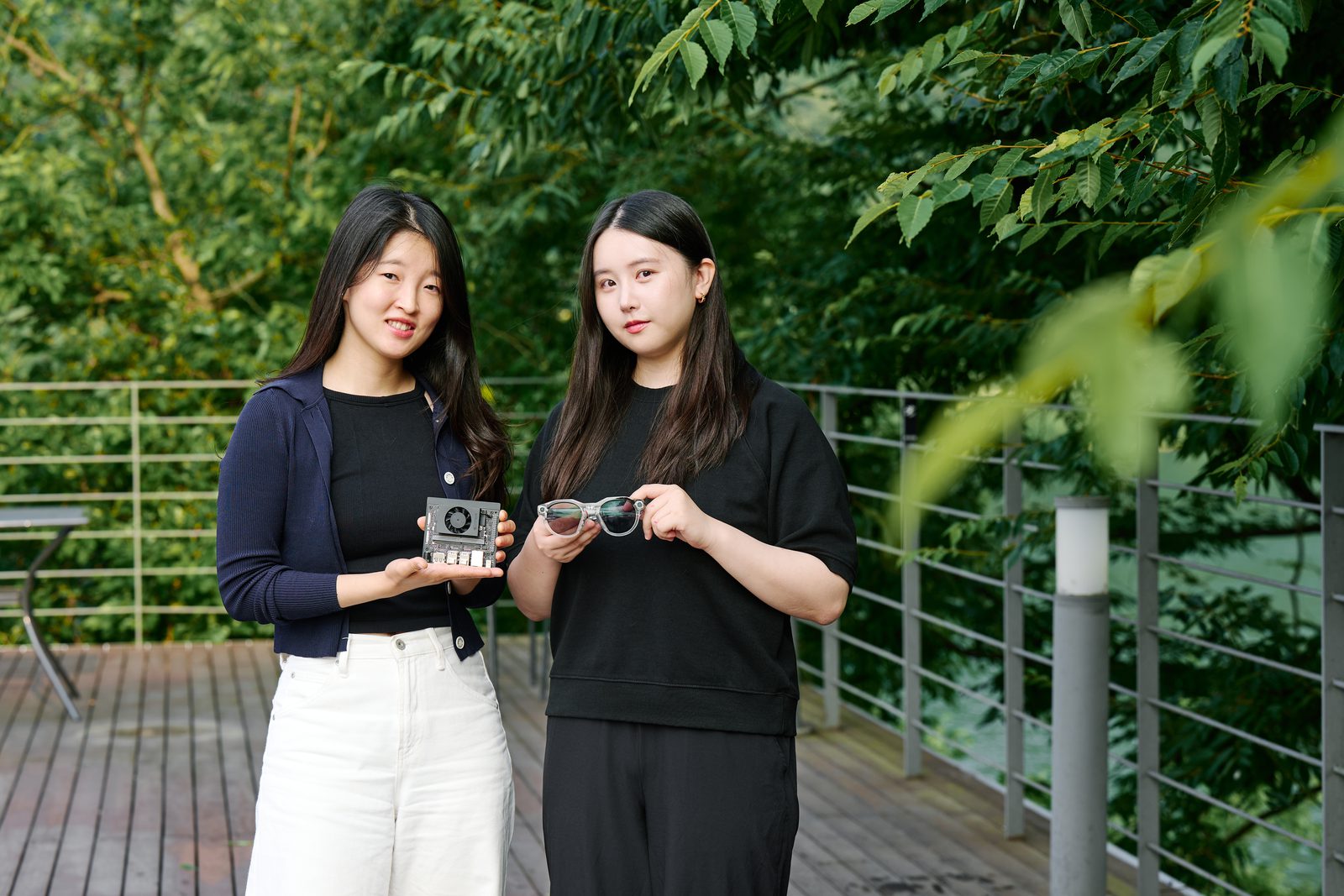
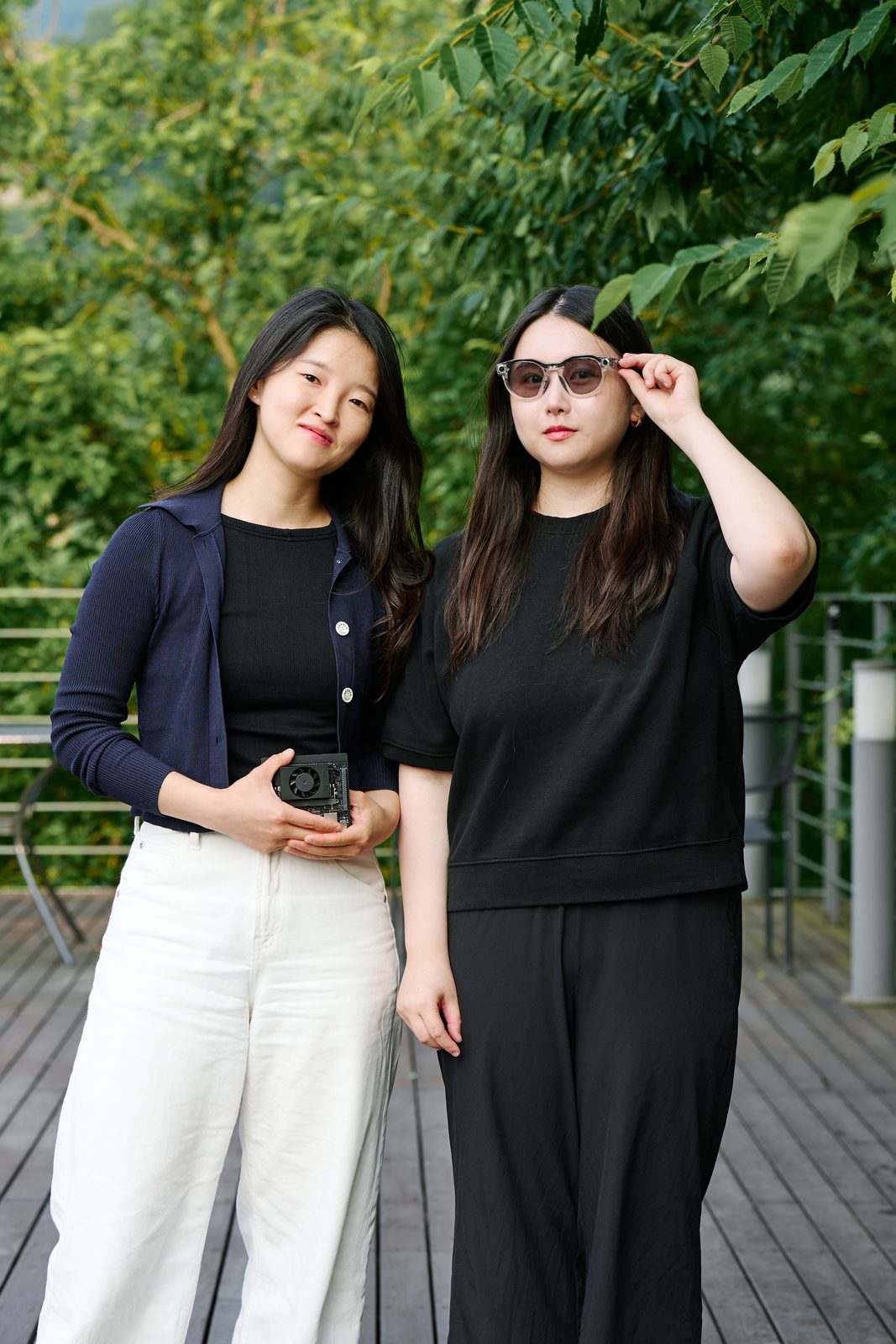
The two co-founders standing on an outdoor deck. On the left, Jinseorang Madison Chung holds a palm-sized computing board; on the right, Juyeon Lee holds a pair of AI glasses.
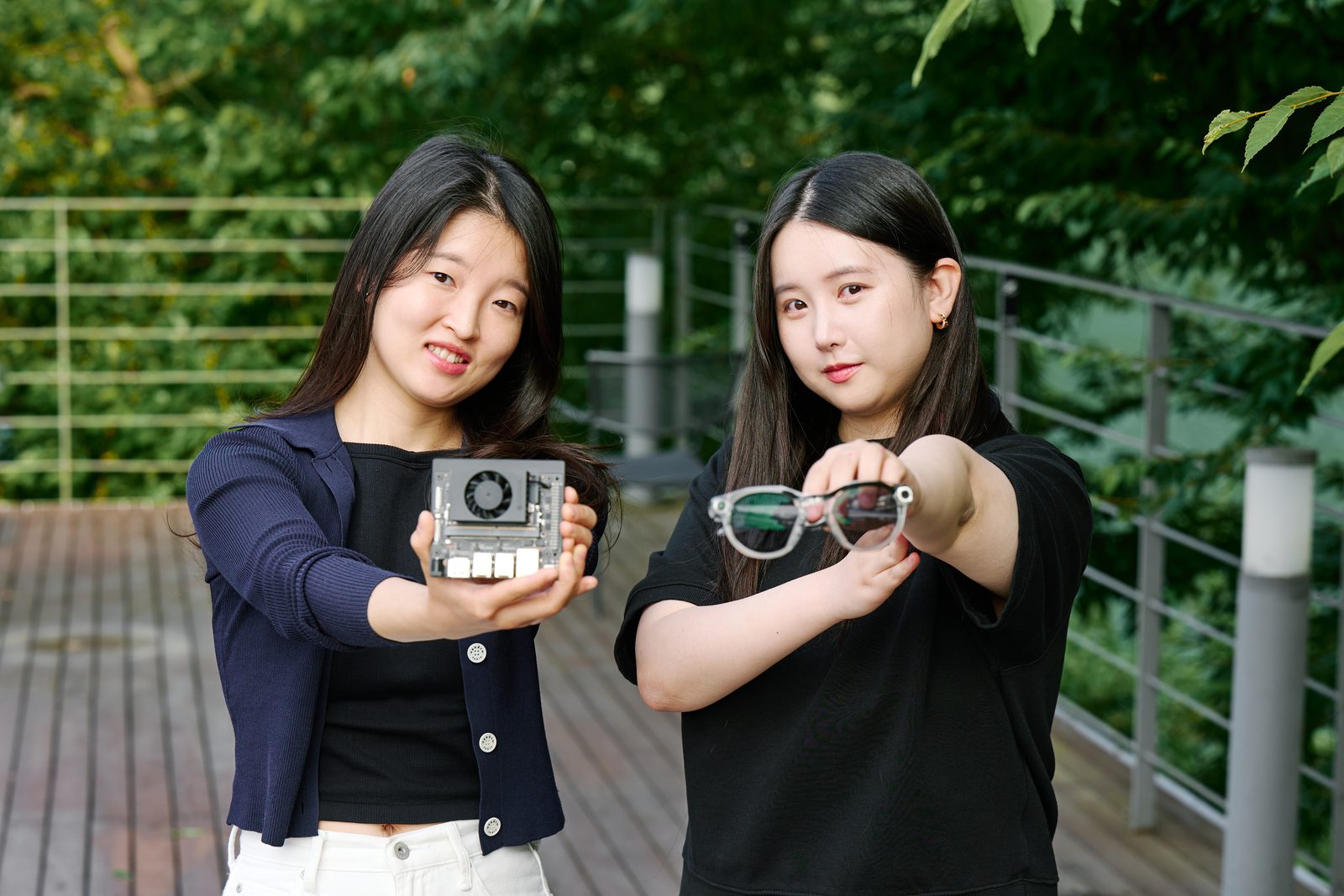
On the left, the computing board that lets the glasses run without an internet connection. On the right, a pair of AI glasses bought off the shelf.
  • Jinseorang Madison Chung and Juyeon Lee holding out the computing board and the AI glasses toward the camera.
    Our team sets out to solve social problems through technology.
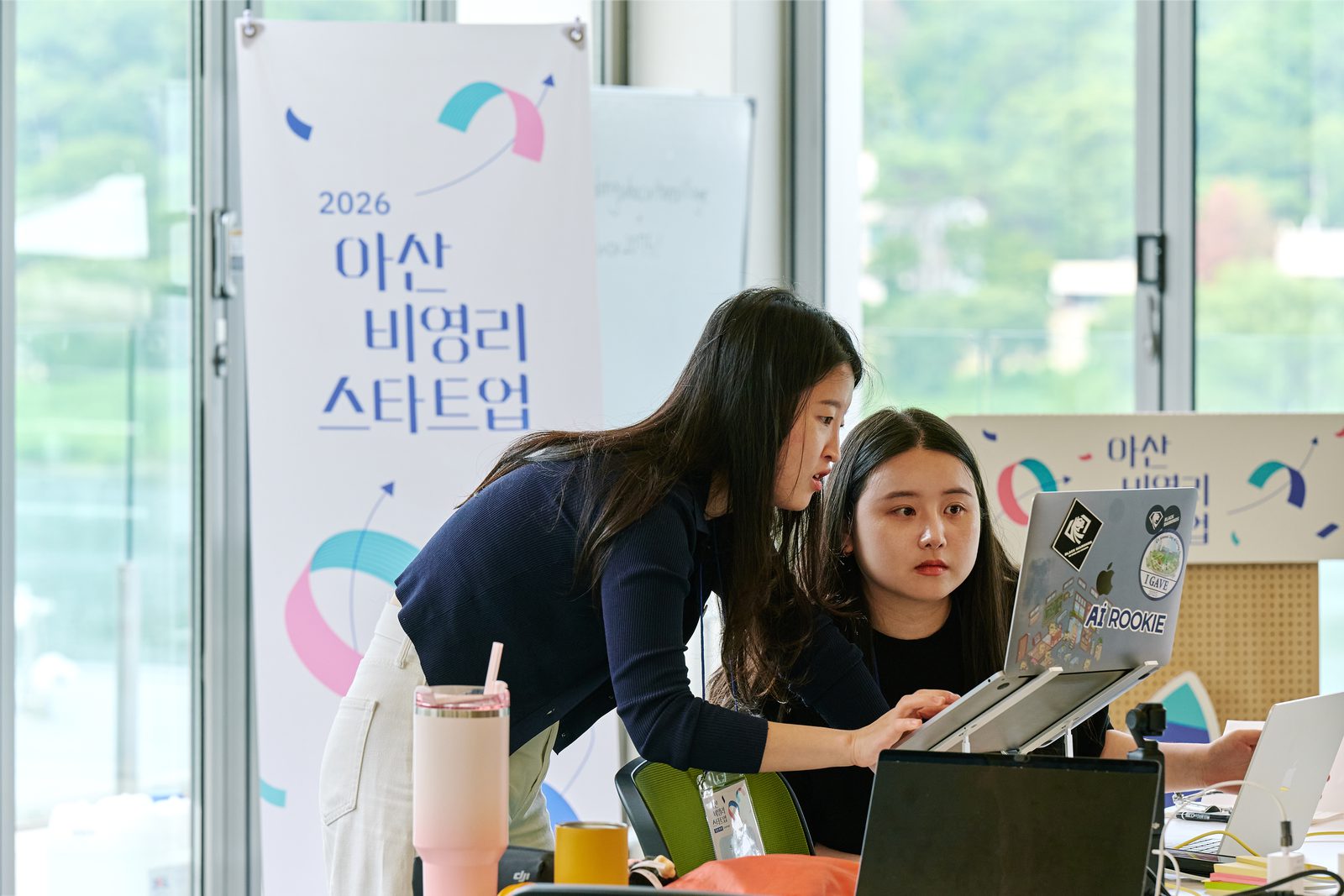
  • At an Asan Nanum non-profit startup workshop, Jinseorang Madison Chung leans over to look at Juyeon Lee's laptop screen together.
    Asan Nanum Non-profit Startup Challenge Track workshop
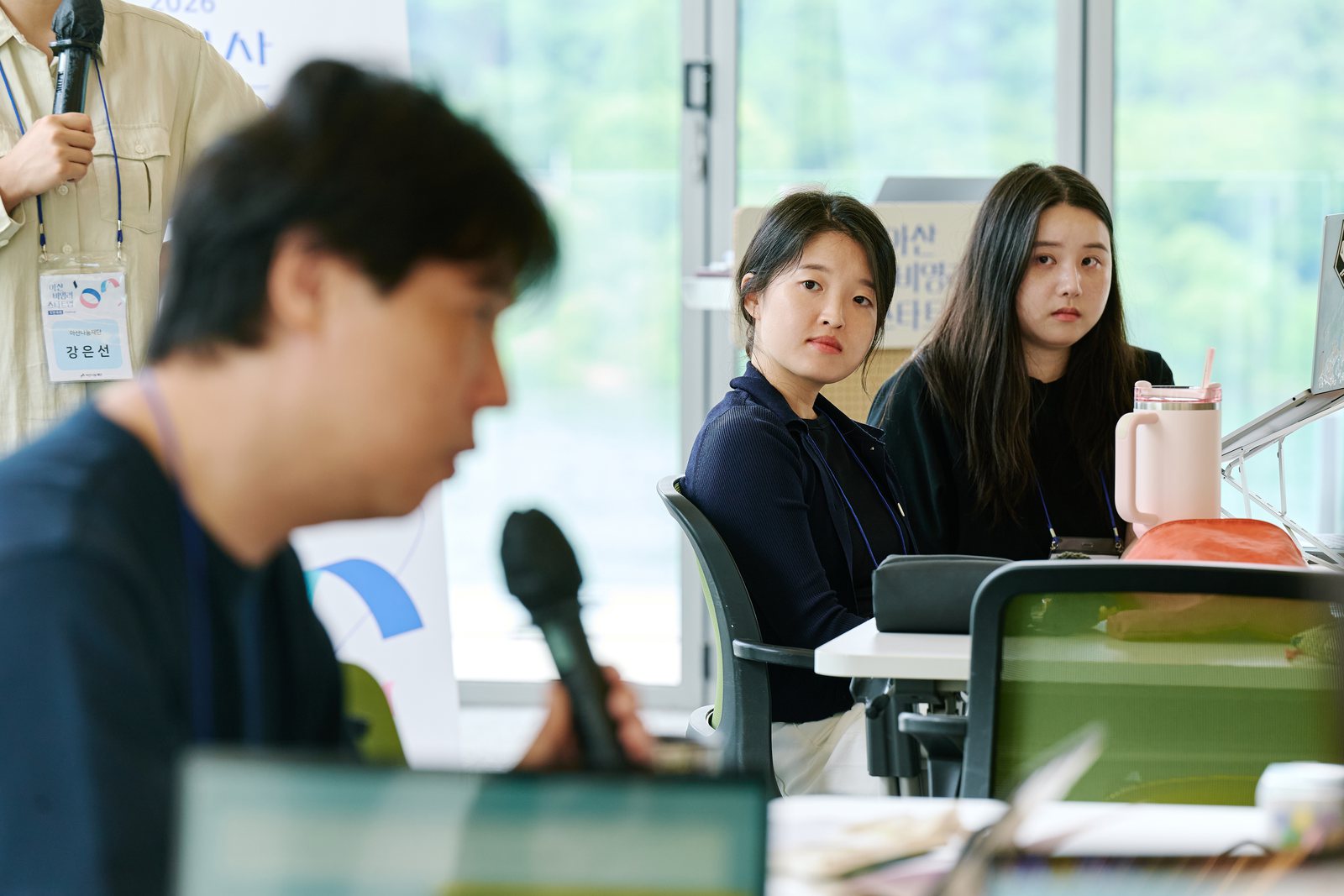
  • Jinseorang Madison Chung and Juyeon Lee seated side by side at a workshop, listening to a presentation.
    During the four-month challenge track
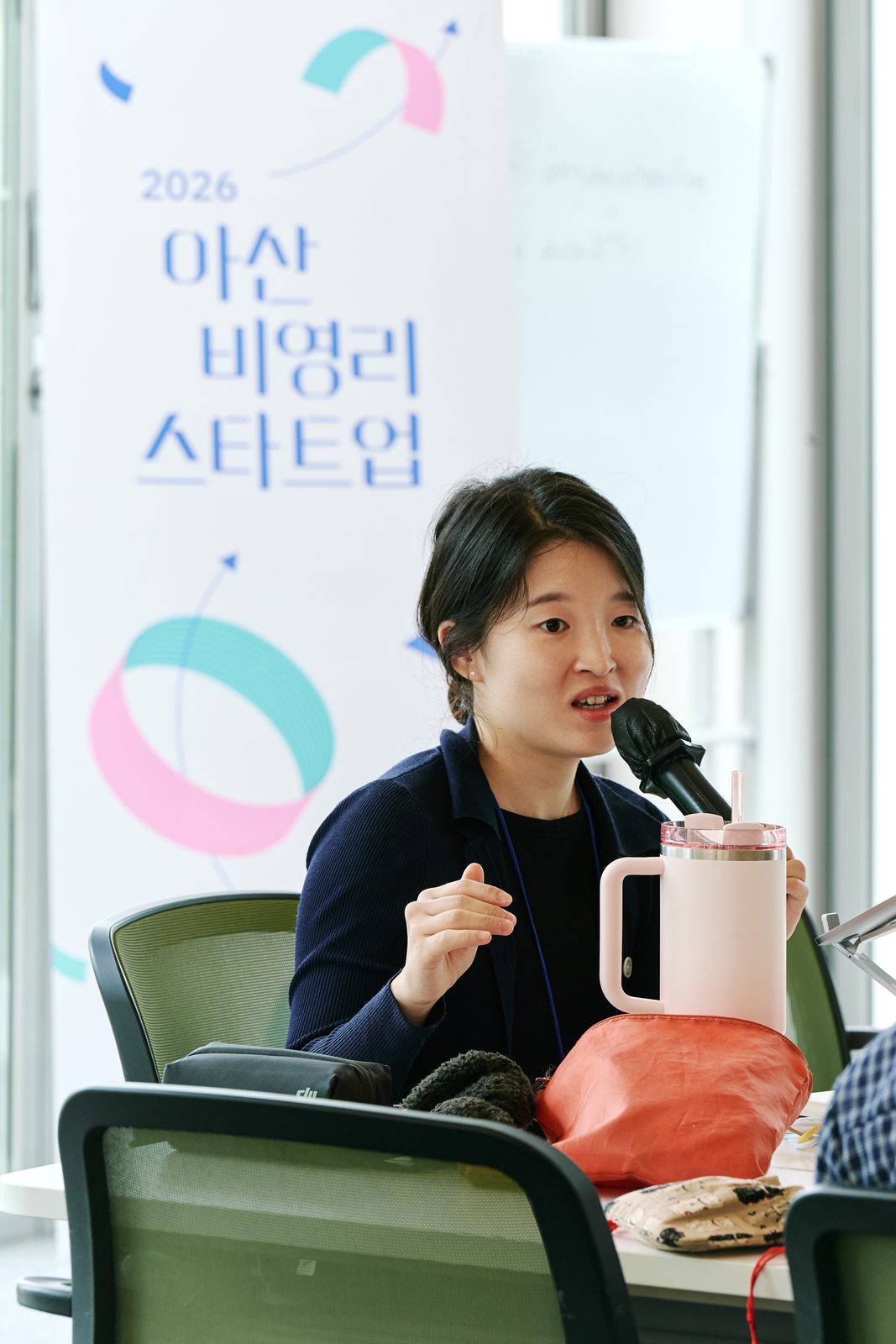
  • Jinseorang Madison Chung speaking into a microphone in front of an Asan Nanum non-profit startup banner.
    Jinseorang Madison Chung, presenting on the challenge track

A note from us

Hello. We are Jinseorang Madison Chung and Juyeon Lee of SightSpace.

We are two people who studied architecture and space, and became interested in how people understand the spaces they move through. Both of us worked in education alongside university, and we have kept studying how technology can serve society through a digital society we founded in 2020 and have run for eleven cohorts.

What started this work was a space we made ourselves. After planning and running several exhibitions and pop-ups, we realised, far too late, that there was no place for a blind visitor in any of it: not in the guided tours, not in the product information, not in the exhibit labels. Our idea of barrier-free had stopped at braille on the entrance and the restroom. We created that gap, so we wanted to fill it with what we know about technology and about space.

We began by building guidance inside exhibition halls, and then, meeting blind people, we heard something that came first: before the inside of an exhibition comes the way there — getting on and off a bus, and finding a building's door. So today we build the guidance that everyday movement truly needs.

Our strengths are stubbornness and momentum. Rather than building something for many people in general, we would rather be genuinely useful the moment a single person truly needs these glasses. We hope those moments add up and move barrier-free design forward, even by one step.

We have written down not only what we can do but also what we cannot. This is not us offering technology to you; it is us asking to build it together.

If anything here is wrong or awkwardly put, please tell us. Fixing things is what we do best.

Jinseorang Madison Chung and Juyeon Lee, Co-founders, SightSpace

Jinseorang Madison Chung and Juyeon Lee standing side by side, with Juyeon Lee wearing the AI glasses.
We check it first from the wearer's position

What we do

Doors and buses, and staying quiet when unsure.

Finding doors

Once you reach a building, it checks whether the entrance, sign or marker in front of you matches the place you were looking for. Indoors, too, it tells apart the door to go in and the door to go out.

Catching buses

It checks whether the bus pulling into the stop is the one you need. Our first task is detecting and guiding the moments of leaving where you are, travelling, and entering your destination.

Silent when unsure

When it isn't sure, it holds and looks again rather than saying something wrong. The cost of staying silent is inconvenience; the cost of speaking wrongly is an accident.

An ophthalmologist, a professor of architecture, and a practicing architect serve as our advisors. They review our work so that we make no unsound medical assumptions, and so that our judgements about space hold up on site.

Team

Two people run it together.

Jinseorang Madison Chung

Co-founder · Product & engineering

  • Department of Architecture, Hongik University
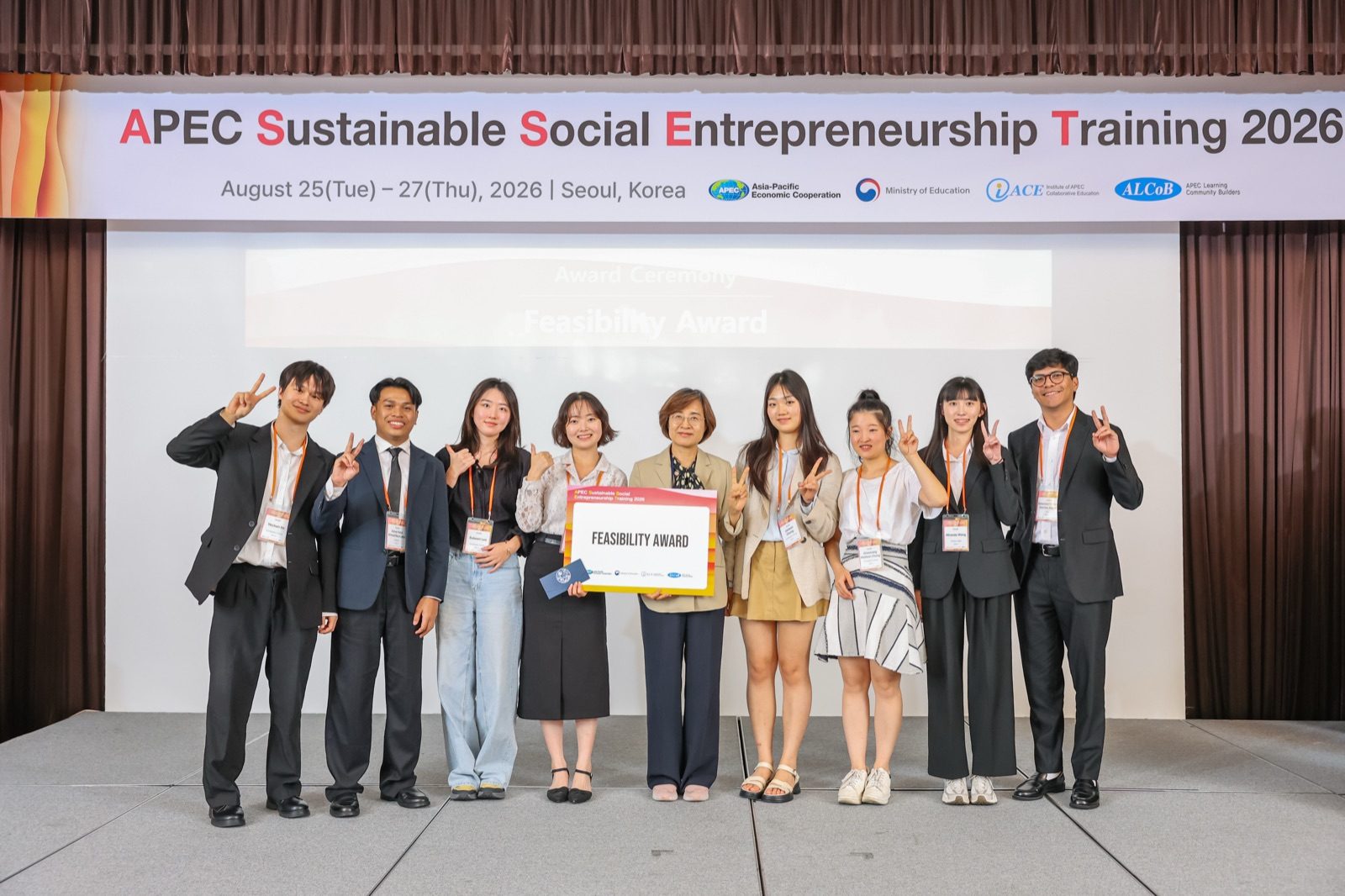
  • Feasibility Award, APEC Sustainable Social Entrepreneurship Training 2026
  • 4+ years teaching math and coding to international school students
  • Runs an AI glasses channel with 10M+ cumulative views

Juyeon Lee

Co-founder · Business, operations & partnerships

  • Department of Architecture, Hongik University
  • Top Award, 2023 Korea Digital Architecture Competition
  • Founder and first president of ADD, Hongik University's digital architecture society
  • Director, distance lifelong education institute
  • Exhibition planning and operations at DDP and Hyundai Motor

The co-founders met at ADD (Architecture + Digital Design), Hongik University's digital architecture society.

Awards & selections

Recognised along the way.

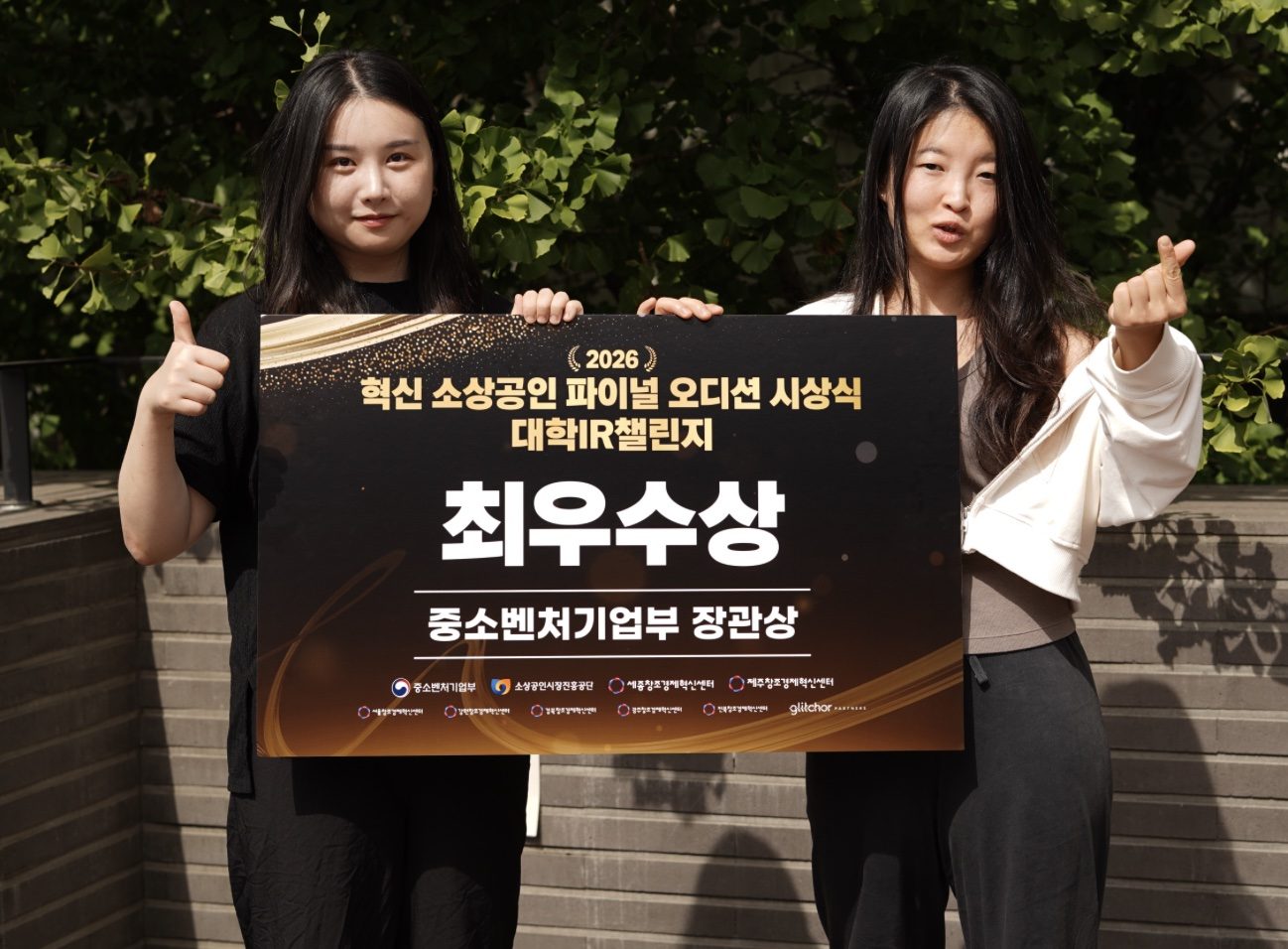
The two co-founders in front of trees, holding a black board that reads 2026 Innovative Small Business Final Audition, University IR Challenge, Top Award, Minister of SMEs and Startups Award.
Top Award, University IR Challenge — 2026 Innovative Small Business Final Audition (Minister of SMEs and Startups Award)
  • Top Award, University IR Challenge — 2026 Innovative Small Business Final Audition

    Minister of SMEs and Startups Award · Sep 10, 2026

  • Selected, 2026 Challenge Track — Asan Nonprofit Startup

    Asan Nanum Foundation

  • Selected, CES 2027 Eureka Park

    Changwon National University pavilion

  • Top Award, Hongik Startup Festival 2026

    Startup Idea category

  • Selected, U300+ Promising Student Startup Teams

  • Top 40, Student Startup Festa

  • First-round finalist, AI ROOKIE 2026

    National AI Competition

  • Exhibitor, AI FESTA 2026

    Oct 6–8, COEX Seoul

Individual award

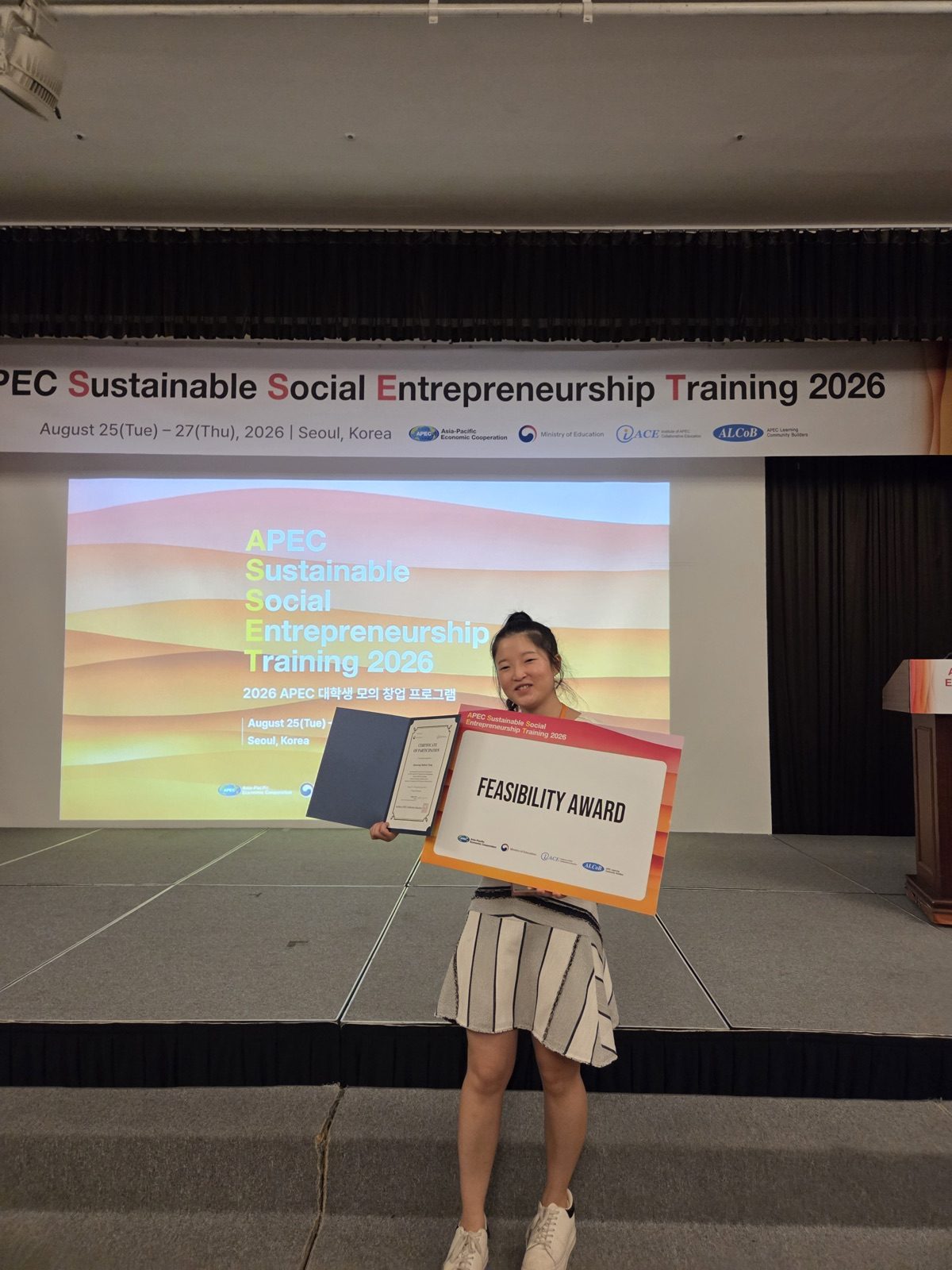
Feasibility Award, APEC Sustainable Social Entrepreneurship Training 2026

Co-founder Jinseorang Madison Chung · Aug 25–27, 2026, Seoul

  • In front of a stage with the APEC programme banner, Jinseorang Madison Chung smiles holding a certificate and a Feasibility Award board.
    Jinseorang Madison Chung, Feasibility Award
  • On stage under the APEC banner, eight team members and the presenter stand around a Feasibility Award board, making V signs.
    On stage at the award ceremony, with the team
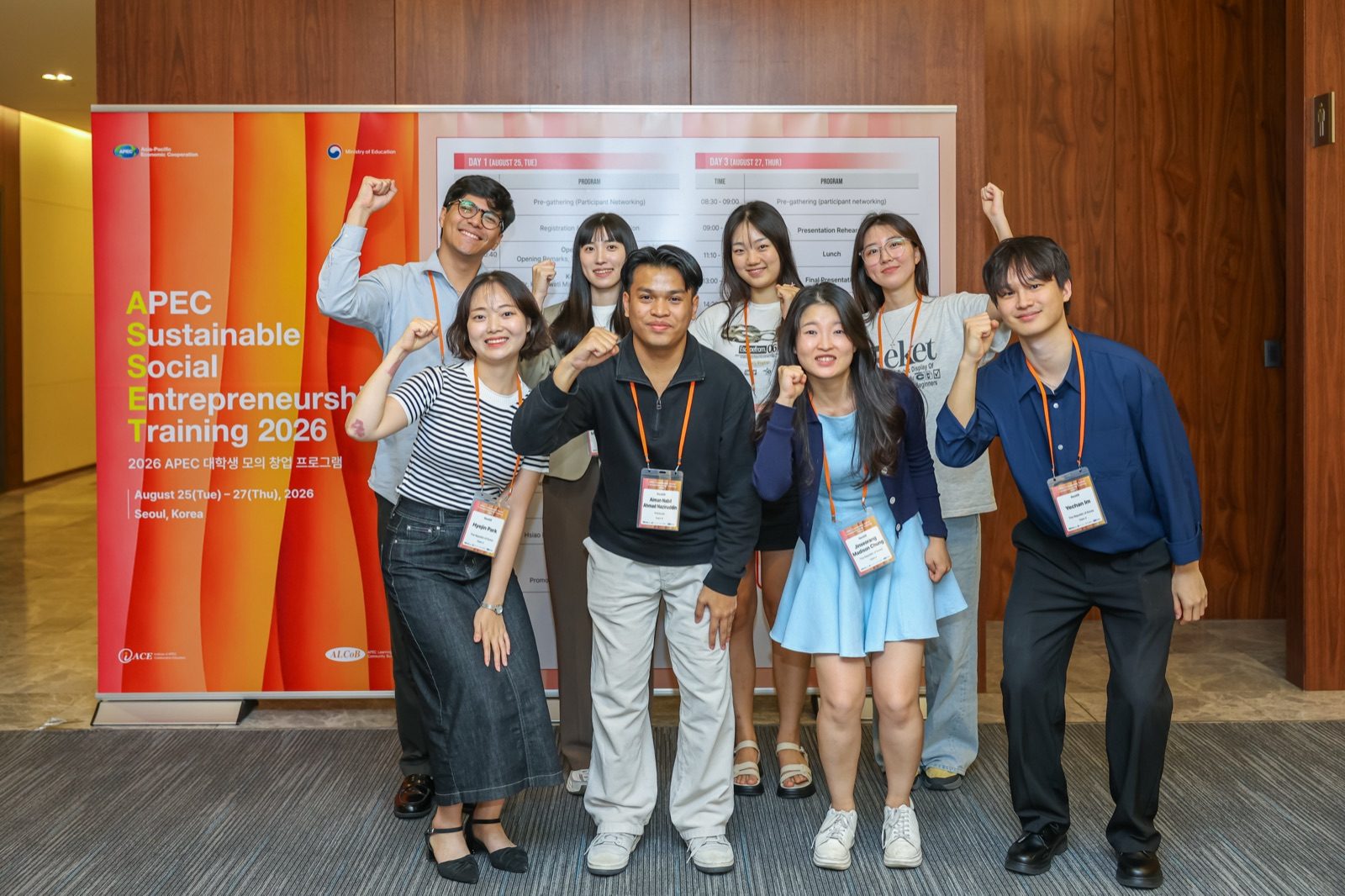
  • Eight team members from several countries raise their fists in front of the APEC programme schedule banner.
    Three days as one team with students from across the region
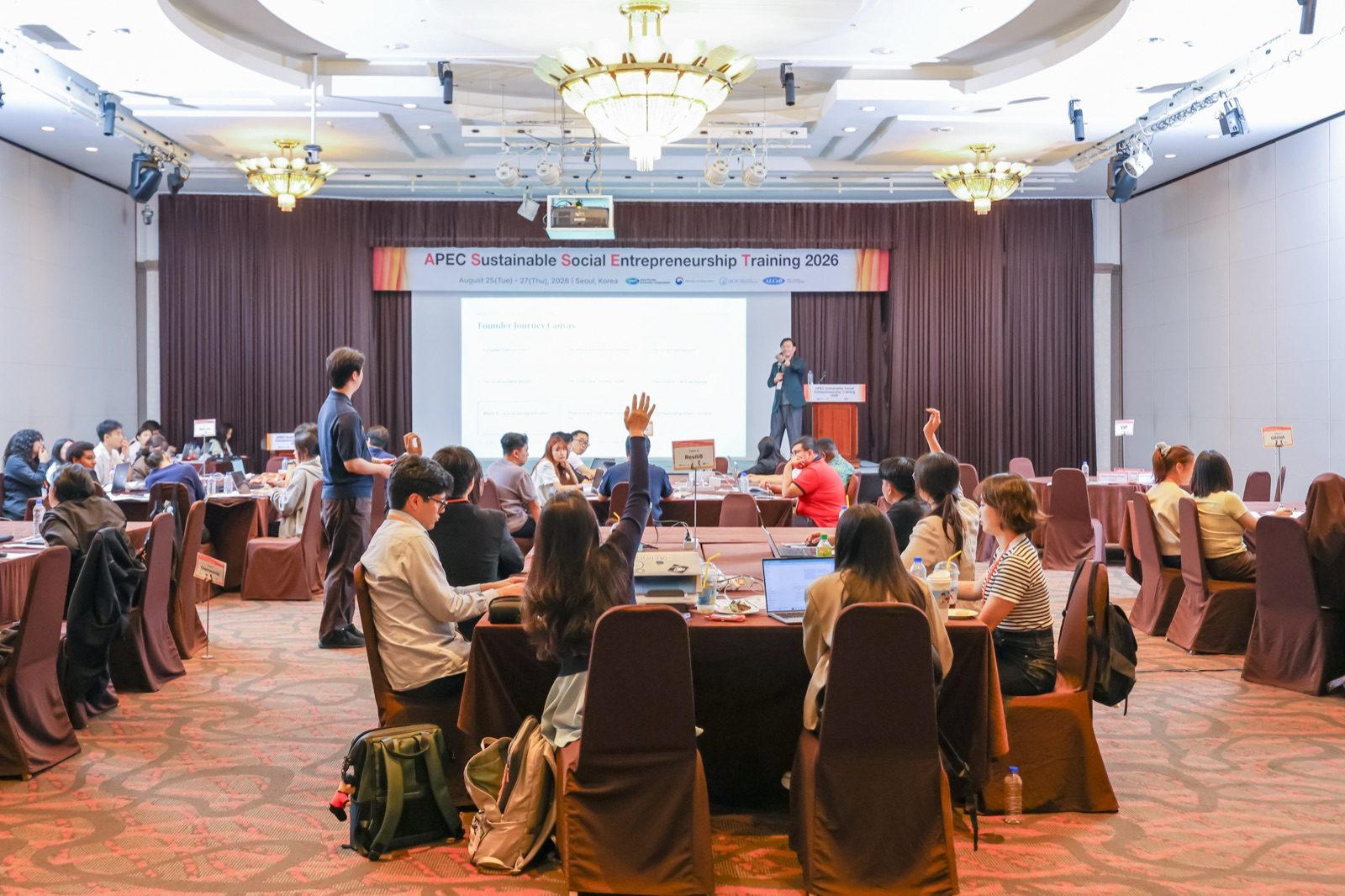
  • A ballroom with chandeliers, participants seated at round tables listening to a talk, one raising a hand.
    APEC Sustainable Social Entrepreneurship Training 2026 workshop

We would like to build it with you.